Mike Gowen
Product Designer
Rodeo / Spurs
Virtual currency
Spurs are Rodeo's in-app currency, built to hide the complexity of web3 from people who just wanted to use the app. Paired with Instagram sign-in and sponsored gas, they let users focus on content and community instead of wallets, keys, and transaction fees.
Tools Used
Figma · Spline


Rodeo / Top 9
Art collection sharing
Top 9 is a feature I conceived and designed for Rodeo, inspired by user behavior. Noticing that users often manually create grids of their top posts to share on social media, I productized this behavior and it quickly became the app's most used feature.
Tools Used
Figma


Rodeo / Galleries
Art collection display
Galleries in Rodeo were designed as a solution to "collecting fatigue", where users struggle to meaningfully interact with their collections once they get large. This feature allows collectors to curate and share their favorite posts, transforming passive accumulation into active curation and enhancing user engagement.
Tools Used
Figma


Pico v2
Agent-first automated crypto trading
With no sign of the NFT market recovering, we made the hard call to shift our focus to fungible tokens. The plan was to apply the same agent-first approach to a new market: Pico would let people spin up agents for tasks like managing a liquidity pool, dollar-cost averaging into a favorite coin, or automatically rebalancing a portfolio.
We started with a much narrower wedge: a dead-simple way for people new to crypto to manage a Uniswap LP. The user funds the account, picks a few options, and Pico handles the rest.
Tools Used
Codex · Claude Code · Variant · Figma


Gable
Side project · AI-assisted home management
After a lifetime of apartments, my wife and I built our first house, and immediately realized we had no idea how to take care of one. I built Gable to help us keep up. It builds a picture of your specific home, factoring in its systems, age, and local climate, then uses AI to generate a personalized upkeep plan, explaining each task in plain language with the timing, effort, and cost surfaced up front.
Every illustration and animation was generated with image and video models, kept to a consistent visual style throughout. Gable is still in development.
Tools Used
Grok · Midjourney · Visual Electric · Krea · Kling · Runway · ChatGPT · Figma


Twinkle
Side project · AI bedtime stories
Twinkle is an AI-powered bedtime story app I built with my two young sons in mind. It asks for your child's name and age, an object to build the story around, and an optional lesson you'd like them to take away. From there it writes a custom story, hands it to a text-to-voice model to read aloud, and generates a cover illustration to match.
I eventually set it aside for two reasons: it relied on three separate models, so cost was a real concern, and the stories had to be genuinely good rather than the generic AI slop that's so easy to produce. Both were hard problems at the time, though I suspect they'd be far more tractable today.
Tools Used
ChatGPT · ElevenLabs · Midjourney · DALL-E · Krea · Figma


Shape Redesign
Landing page for Shape L2
For Shape's main site, I wanted to embrace its iconic dot logo and build a visual system that could express the full range of Shape's benefits. I landed on a halftone pattern paired with a series of interconnected, animated nodes, and I built a tool to explore just how expressive that halftone patterning could be.
Tools Used
Claude · Custom Tools · Figma


deca.ai / pico
Agent-first NFT assistant
Pico began as Deca.ai, a personal assistant focused on NFTs. But building another chatbot felt like a missed opportunity, so I threw out the original direction and shifted the product from answering questions to taking action: buying on your behalf, monitoring prices, and alerting you the moment an artist you follow released something new.
This was before agents became the dominant frame for AI products. The instinct was right, but with NFT market conditions continuing to decline, we ultimately had to pivot.
Tools Used
Codex · Claude Code · Variant · Figma


Shape Token
TGE landing page & brand identity
Shape is an Ethereum L2 blockchain, and $SHAPE is its governance token. The landing page had to fit within Shape's existing brand, so I used it as an opportunity to expand the design language and bring some intention to an identity that had, up until then, been loosely defined.
Tools Used
Claude · ChatGPT · Spline · Figma

Stack Redesign
User dashboard & loyalty program for Shape
"The Stack" is a gamified loyalty system for the Shape Network, where people earn badges for participating on-chain. Redesigning it was one of the first things I took on when I joined Shape, giving the existing design a much-needed refresh and turning it into a proper social experience.
Tools Used
Figma

Deeple Redesign
Index & customization portal
Deeple are the unofficial mascots of the Shape Network, created by the beloved artist Deekay. I worked with Deekay to develop concepts for a much friendlier customization portal and index, all while staying true to the playful aesthetic he had already established.
Tools Used
Figma


Rodeo / Text
Creative tools
Rodeo started as a place for visual art, so I designed a set of text tools to bring in people who think in words rather than images. The goal was to let anyone make something good without needing design skills.
Tools Used
Figma


Pidgie Post
Side project · Handcrafted pixel art collectibles
With Pidgie Post, I wanted to create an approachable collectible that hid a rich collector experience under the hood. Pidgies could be sent to other wallets to deliver a message, then fly back home. The real innovation, though, was the ten "grail" Pidgies, each one interactive in a way unique to its theme. Some reacted to market conditions, others changed form in surprising ways.
View liveTools Used
Figma · Aseprite · Photoshop

Generative AI studies
Studies in ComfyUI and AnimateDiff, from a stretch when I was obsessed with organic microbiology that looked real and alien at once. The challenging part was wrangling the motion I envisioned out of a new and unruly technology.
Tools Used
Midjourney · ComfyUI · AnimateDiff · Stable Diffusion · Runway
Delighted
Featured case study · Customer feedback
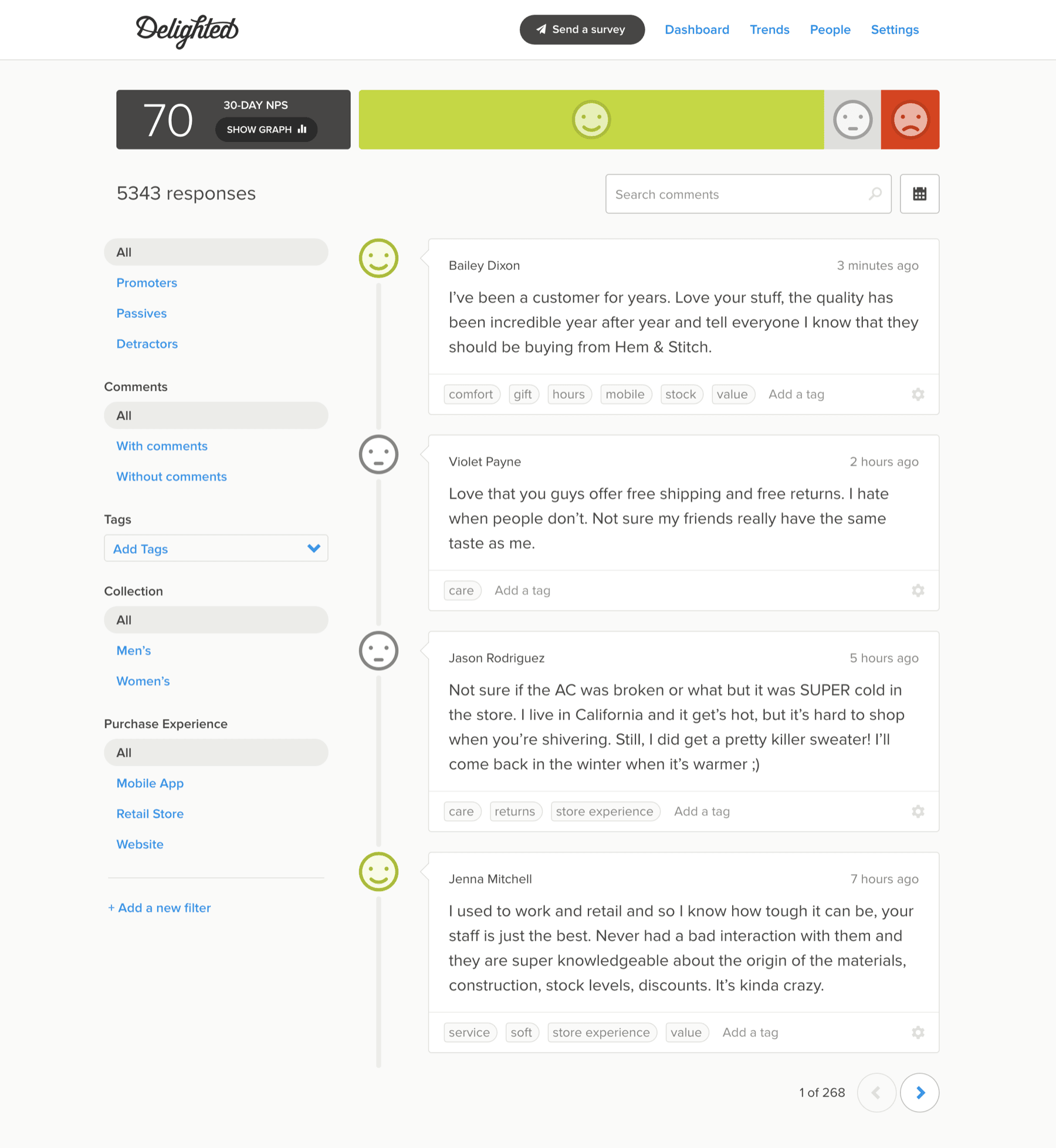
I co-founded Delighted and led design for nine years. We built a customer feedback product around strong defaults, direct verbatim responses, and equal care for the people sending surveys and the people receiving them. Delighted grew to millions in annual revenue before Qualtrics acquired it in 2018.
Read the case studyTools Used
Figma · Sketch
Mosaic
Featured case study · Mobile photobooks
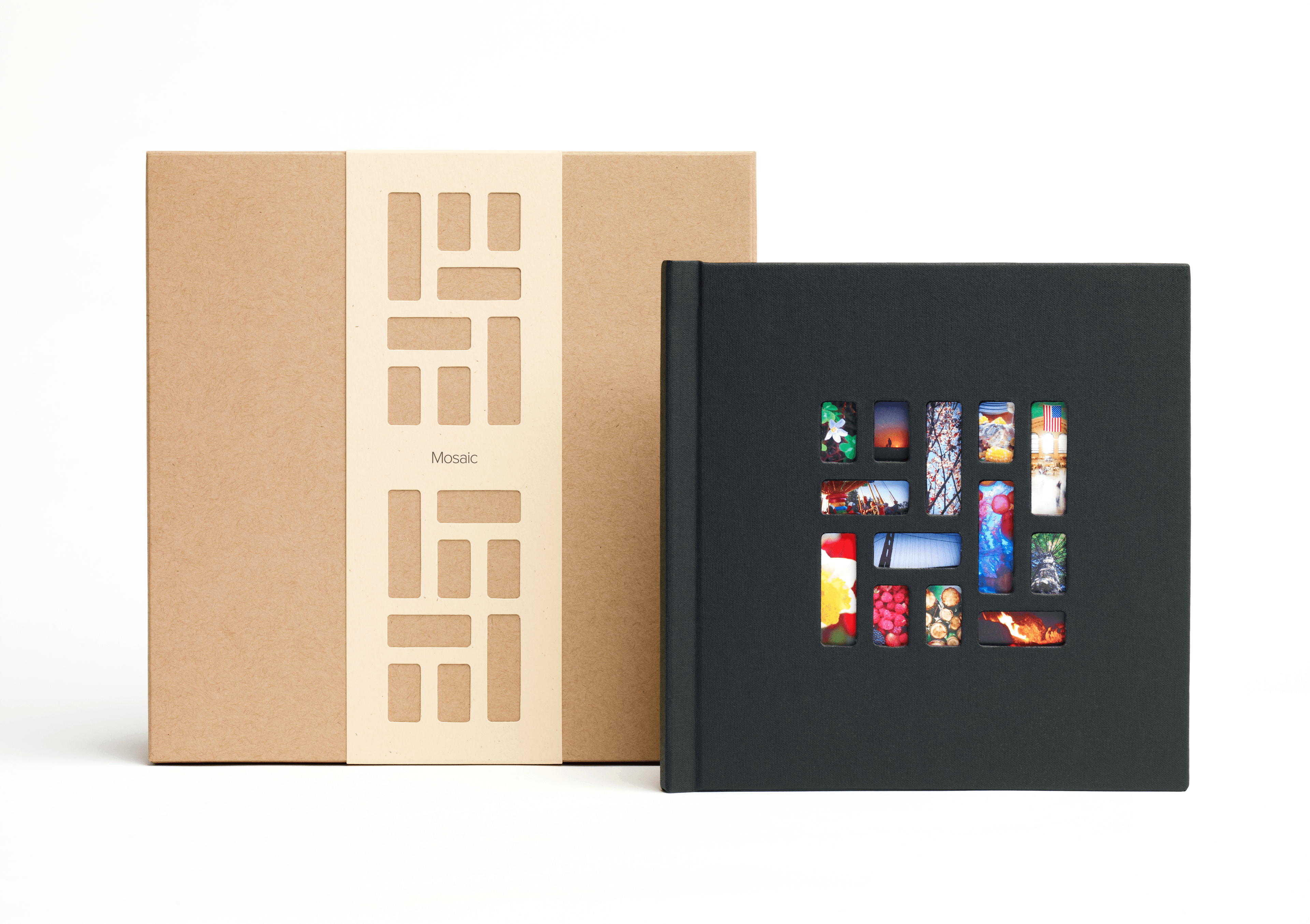
As Mixbook's Director of Design, I was responsible for every part of Mosaic's design: the mobile app, identity, physical book, packaging, manufacturing, and launch. The result turned 20 photos into a finished book in about five minutes, while the system absorbed the complexity people never needed to see.
Read the case studyTools Used
Sketch · Paper prototypes
Figma Plugins
Design tools
Part of building products means sometimes building products to help you build products. These three plugins solved real issues that I and other designers had and helped me save countless hours of mundane work.
Tools Used
Hand Coded · Claude


Earlier Work
Scrapblog
Creative tools
A browser-based creative tool for building multimedia scrapbooks out of photos, video, audio and text. Layers, page transitions, and sticker packs made by artists that people could buy. Purchasable virtual goods inside a creative tool was close to unheard of in 2007.
Built in Flex, so performance was a constant fight and we were tied to an engine we didn't control.
TechCrunch called it "one of the most natural feels of any online application." Won an Adobe MAX award.


